


ZAMBOANGA PENINSULA POLYTECHNIC STATE UNIVERSITY — The Project Tanim of Zamboanga Peninsula Polytechnic State University (ZPPSU) represents the university’s commitment to environmental sustainability, while celebrating its 121st foundation anniversary and 5th university-hood anniversary, anchored on the theme: “121 𝒚𝒆𝒂𝒓𝒔 𝒐𝒇 𝑻𝒓𝒂𝒏𝒇𝒐𝒓𝒎𝒂𝒕𝒊𝒗𝒆 𝑷𝒐𝒍𝒚𝒕𝒆𝒄𝒉𝒏𝒊𝒄 𝑬𝒅𝒖𝒄𝒂𝒕𝒊𝒐𝒏: 𝑰𝒏𝒏𝒐𝒗𝒂𝒕𝒊𝒏𝒈 𝒘𝒊𝒕𝒉 𝑰𝒏𝒕𝒆𝒈𝒓𝒊𝒕𝒚, 𝑺𝒖𝒔𝒕𝒂𝒊𝒏𝒂𝒃𝒊𝒍𝒊𝒕𝒚, 𝒂𝒏𝒅 𝑮𝒍𝒐𝒃𝒂𝒍 𝑬𝒙𝒄𝒆𝒍𝒍𝒆𝒏𝒄𝒆.”
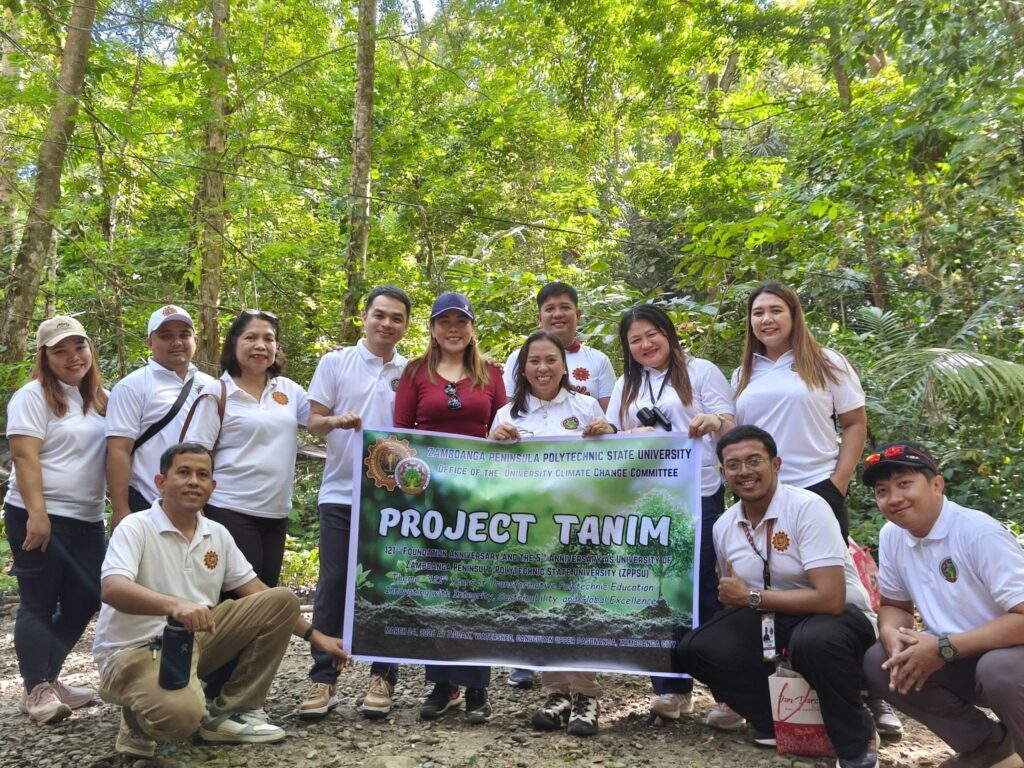
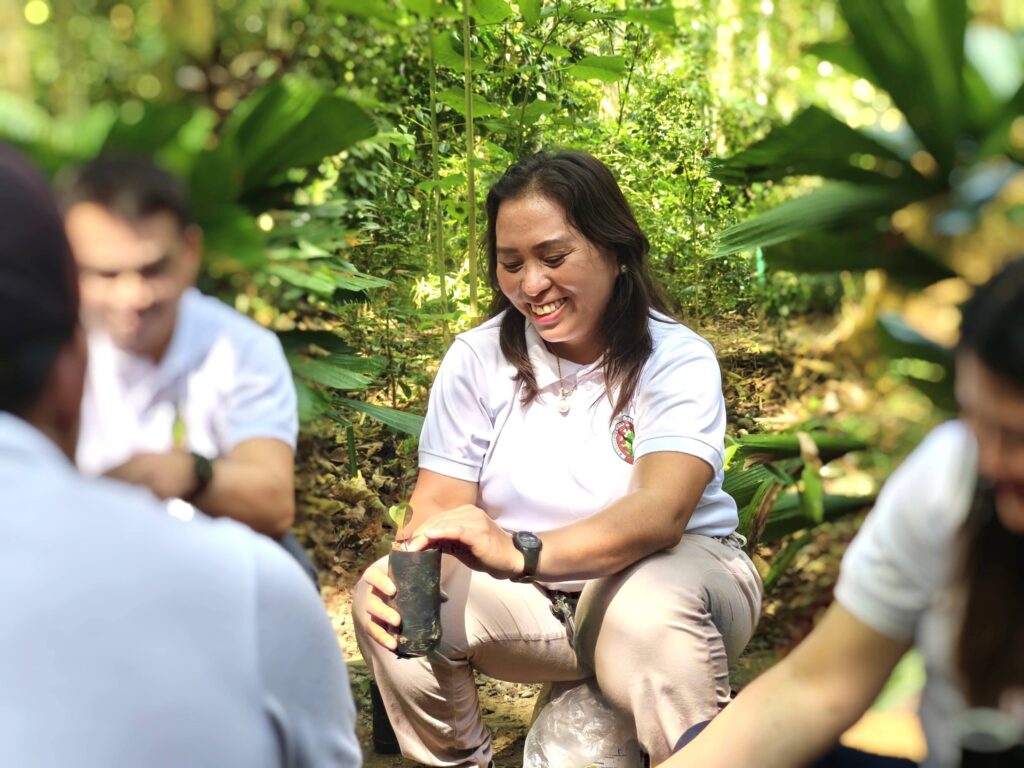
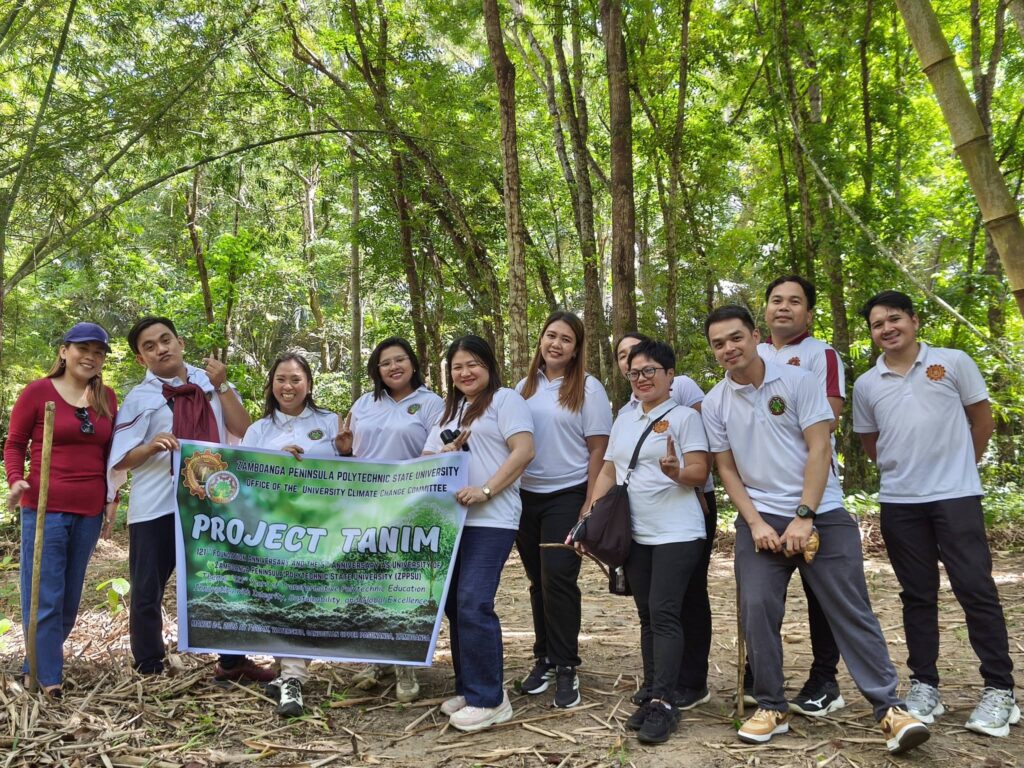
Through the University Climate Change Committee chaired by the Vice President for Finance and Administration Prof. Josephine Sulasula, university officials and staff engaged in simultaenous tree planting on March 24, this year, demonstrating environmental responsibility and promoting community engagement.
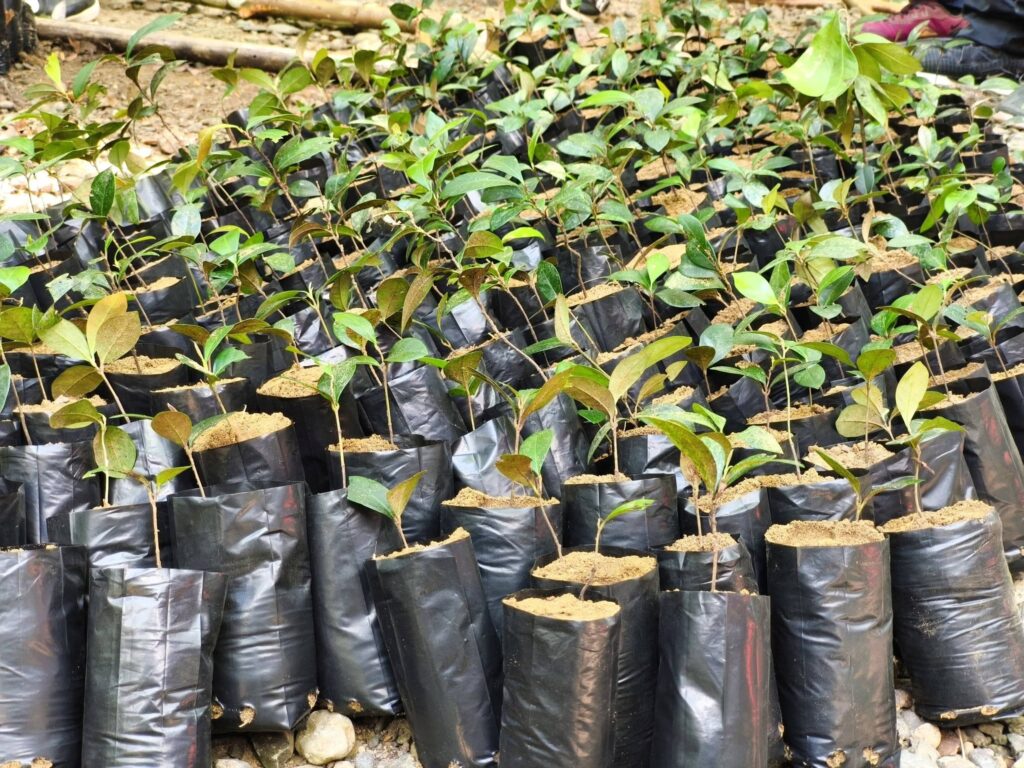
A total of 1,307 premium, indigenous and fruit-bearing trees were planted across the city and region, contributing to reforesteration efforts of the university. ZPPSU Main Campus, in coordination with the Department of Environment and Natural Resources, Zamboanga City Water District, and Environment and Water Resource Department, planted 581 ebonny and narra seedlings at the Watershed in Canucutan, Upper Pasonanca, Zamboanga City.
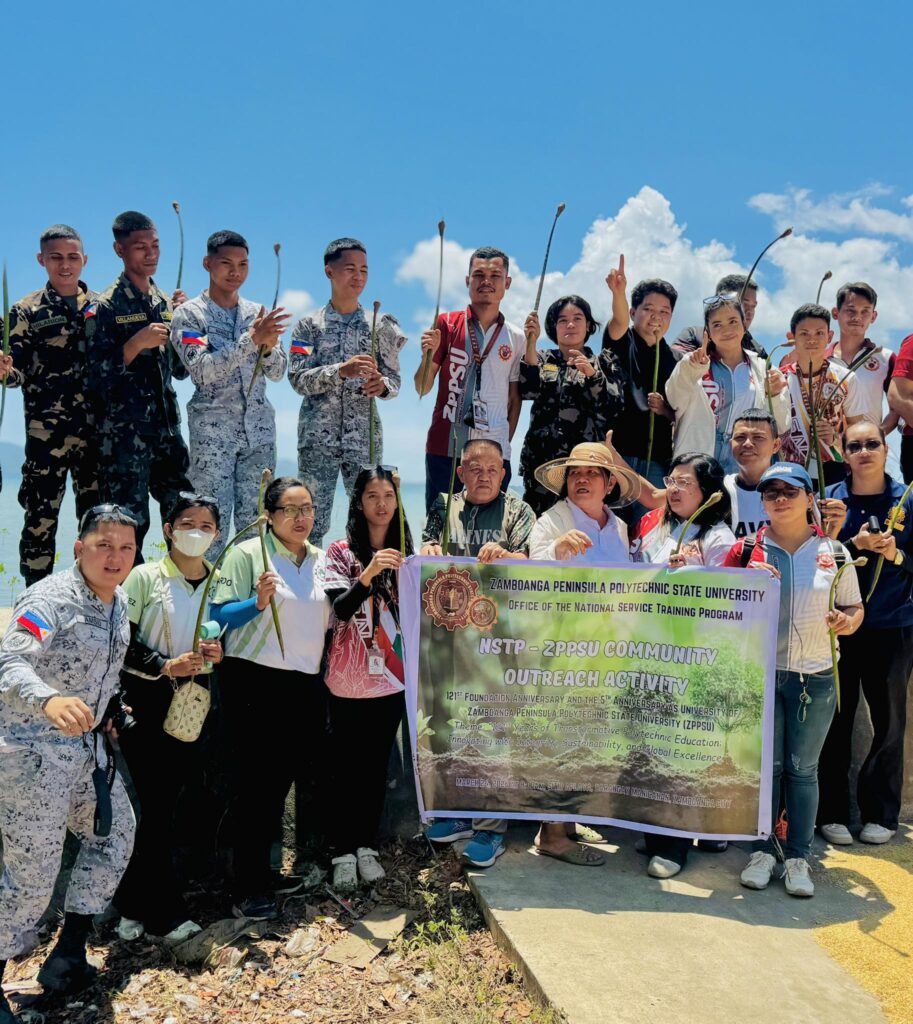
Meanwhile, the National Service Training Program (NSTP), led by Dr. Omar Ramdi, in coordination with the local barangay officials, planted 121 mangrove propagules at the Manicahan Riverbank, in the same city.
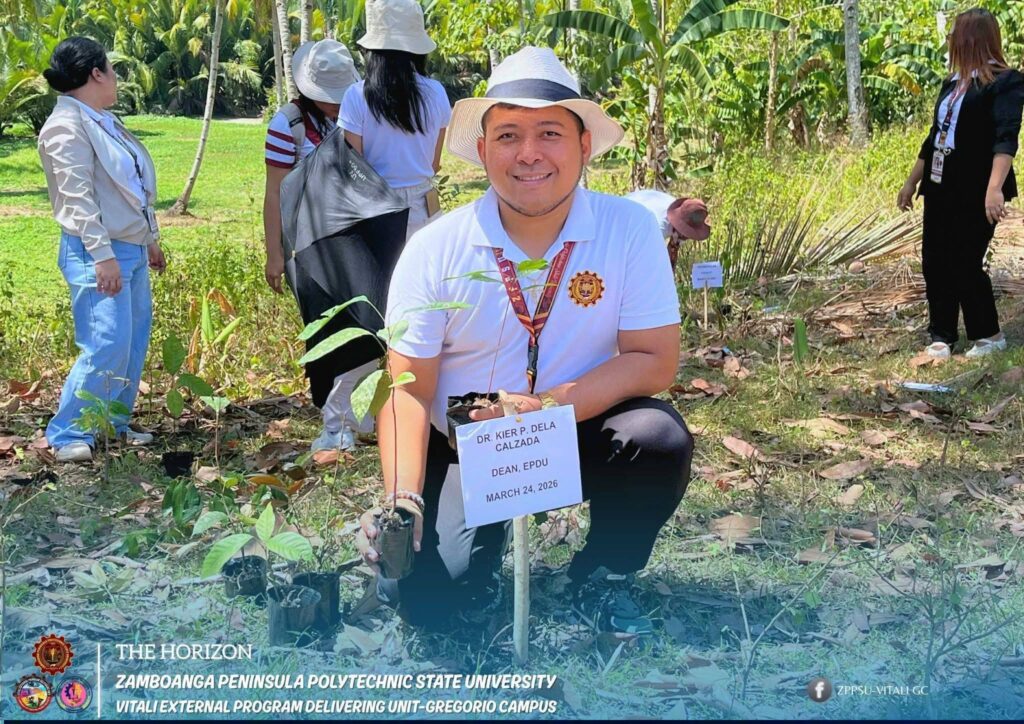
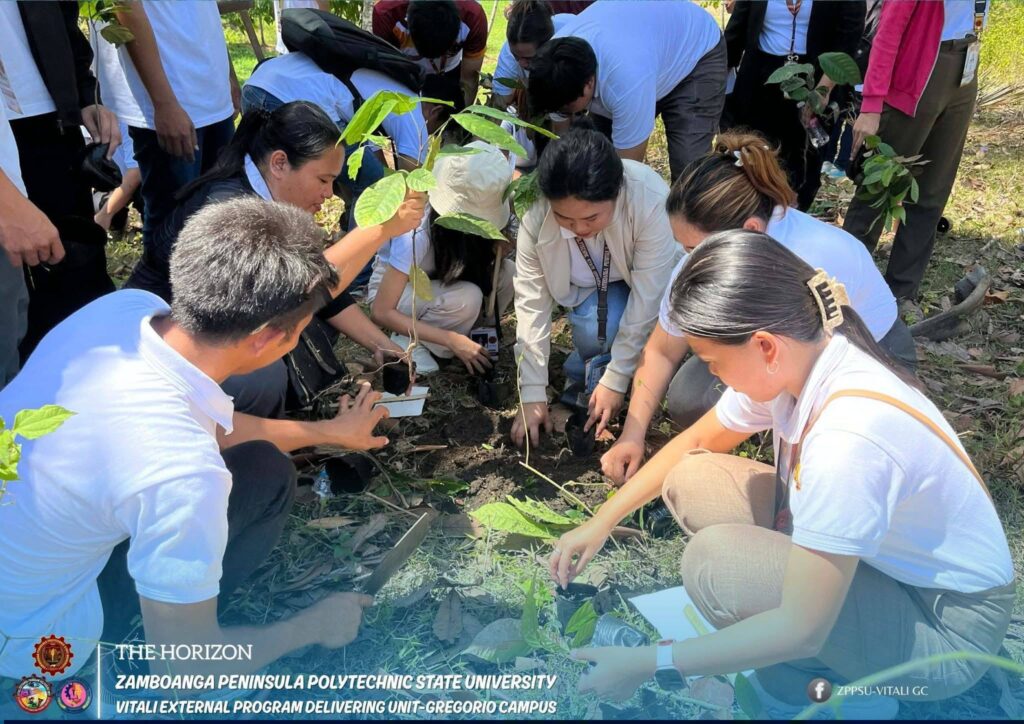
On the other hand, the Extension Program Delivering Unit, headed by Dr Kier Dela Calza, with the support of the local government units, planted mahogany and narra trees, as well as fruit-bearing varieties such as lanzones, marang, and star apple, accross its five campuses in Vitali, Kabasalan, Bayog, Siay, and Malangas.
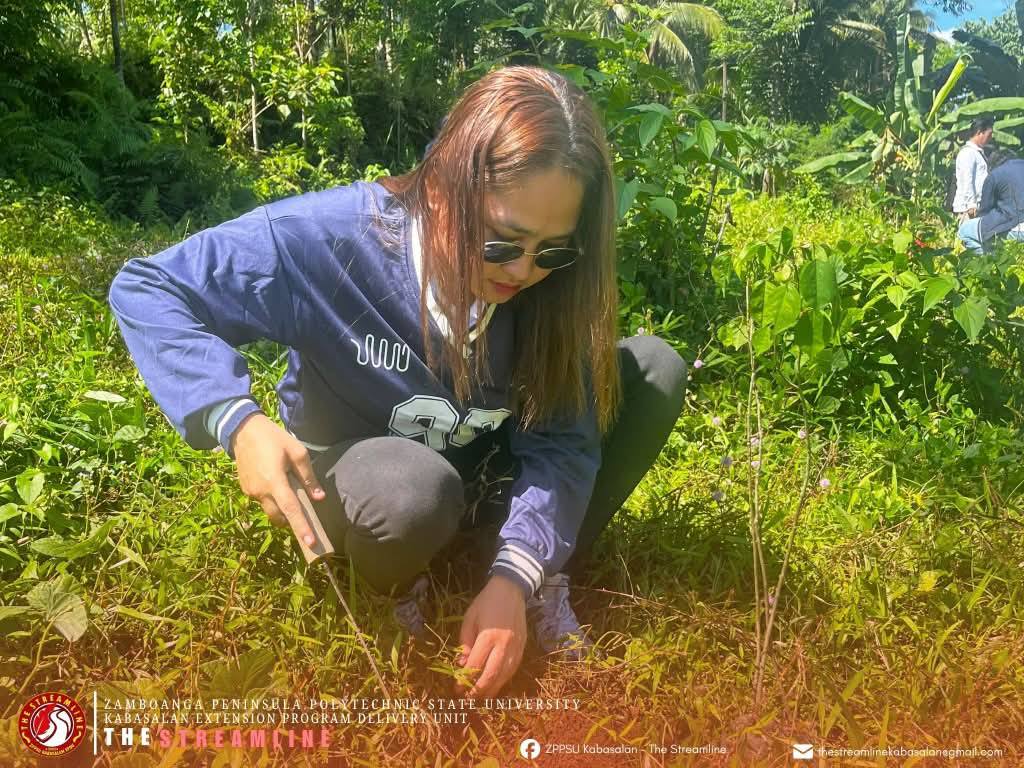
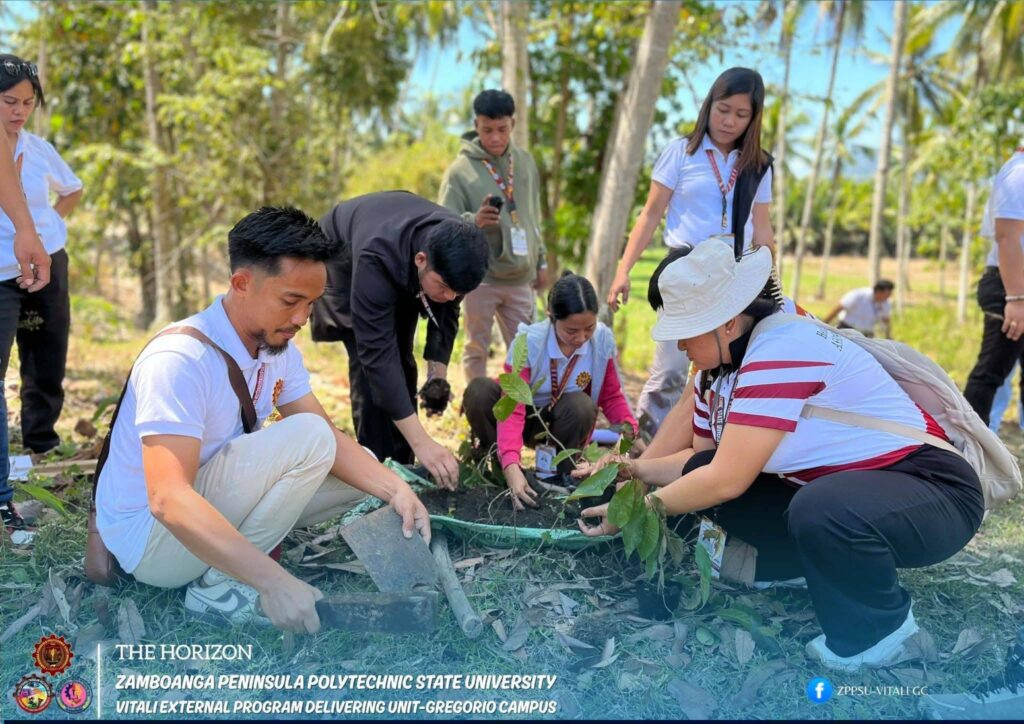
The Project Tanim aims to expand its efforts by planting more trees in the coming months and years, further creating a lasting impact in the communities.
This collective action supports Sustainable Development Goals 15: Life of Land and 13: Climate Change, reinforcing its role in environmental protection for a greener, healthier and more resilient future. (Written By: Rio L. Landingin/JRA/Public Information Office)